How Candle Wicks Work: Why Wick Type, Size, and Material Matter
A candle may be known for its fragrance or its glow, but the way it burns depends on a smaller detail at its center. The wick plays a direct role in how wax melts, how the flame behaves, and how fragrance is released into a room. At Yankee Candle, wick design is considered alongside wax, fragrance, and jar shape because burn performance is part of the overall candle experience.
Read on to learn what a candle wick is, how it functions within a finished candle, and why wick type, size, and material are carefully selected during development.
What Is a Candle Wick and What Does It Do?
A candle wick is the flammable braided or woven fiber at the center of a candle—the part that holds the flame.
When a candle is lit, heat from the flame melts the wax nearest to the wick. The now-liquid wax is then drawn upward into the wick, changing into vapor as it is consumed by the flame. This steady exchange allows the candle to continue burning at a controlled pace.
The wick works in tandem with the candle’s wax blend, fragrance composition, and vessel design to form a complete system. Together, these elements influence how evenly a candle burns and how fragrance develops over time.
How Candle Wicks Work
As a candle continues to burn, a melt pool forms around the wick. The wick acts as a narrow channel between that pool of liquid wax and the flame, regulating how much fuel reaches the flame at any given time.
This interaction shapes both flame stability and wax consumption. A steady wick supports a consistent melt pool, which in turn influences how fragrance is released into the air.
Because fragrance is carried in the melted wax, the way the wick feeds the flame directly affects how scent develops during use. Rather than releasing all at once, fragrance builds gradually as the candle warms.
How Wick Size Affects Candle Performance
Wick size is selected in relation to a candle’s diameter and overall structure. When wick size is properly matched to the candle’s dimensions, wax melts evenly across the surface.
An even melt pool supports a steady flame and balanced performance. If the wick is too small for the candle’s width, the wax may not melt fully to the vessel’s edges. If the wick is too large, the flame may consume wax more quickly than intended. For this reason, wick sizing is evaluated carefully during development.
Whether in one of our Original Jar Candlesor a wider multi-wick format, wick size is chosen to support the intended burn pattern of that specific design.
Why Some Candles Use Multiple Wicks
Wider candles have a larger surface area, so more heat is needed to melt the wax evenly. These designs often use multiple wicks to help distribute heat across the wax surface.
Our Three-Wick Candles are one example. With multiple wicks across the candle’s surface, this design encourages wax to melt more fully and supports steady fragrance release. The number of wicks is determined based on the candle’s size and intended burn behavior.
Multiple wicks are more than simple aesthetic choices. They’re part of how the candle is engineered to perform.

What Are Candle Wicks Made Of?
Most candle wicks are made from braided fibers such as cotton, bamboo, or cellulose. These materials are selected to work reliably within specific candle formats.
Wick material influences how wax is drawn upward and how the flame appears as the candle burns. While differences may be subtle, material choice is evaluated alongside wax blend and fragrance to support balanced performance.
Modern wick construction typically relies on fiber-based materials designed to perform consistently without requiring adjustment during use.
How Wicks Support Fragrance Release
Fragrance is released as wax warms and melts. The wick plays a supporting role by helping the wax heat evenly as the candle burns.
In a fragrance such as Macintosh, brighter apple and green notes may be noticeable earlier in the burn, followed by softer fruit and spice notes as the candle continues to warm. The wick supports that progression by allowing wax to melt evenly rather than releasing all of the fragrance in a single burst.
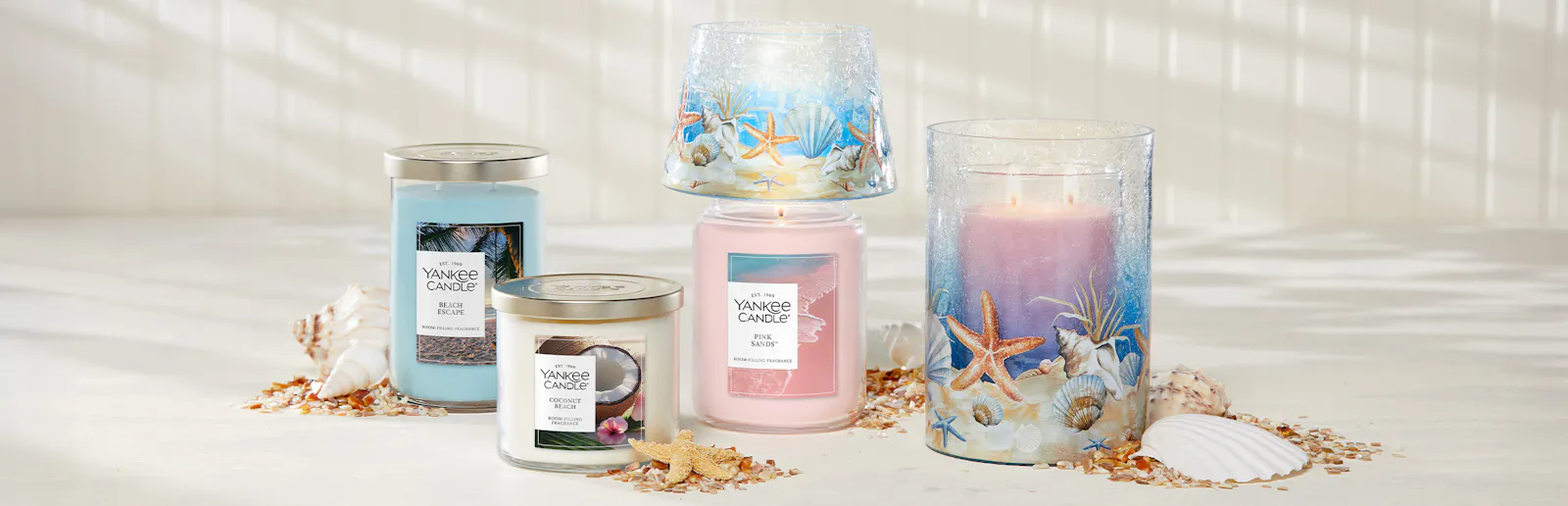
A layered fragrance like Pink Sands™ shifts differently over time. Fruit notes emerge first, while floral and warm base notes become more apparent as the candle burns.
In both cases, wick selection contributes to how smoothly the fragrance unfolds over time.

Testing, Placement, and Performance
Wick selection and placement are evaluated during product development. Testing considers how the wick interacts with the wax, how the flame behaves, and how evenly the candle burns from start to finish.
Wick placement is intentional. Each wick is positioned to work with the candle’s size and shape so melting remains consistent throughout the burn.
These evaluations assess reliability and performance when the candle is used as intended.
The Wick as Part of the Candle System
The wick connects the flame, wax, fragrance, and vessel. Though small in scale, it plays a defining role in how the candle performs.
When wick type, size, wax blend, and jar design, are aligned, the candle burns steadily and releases fragrance in a balanced way. That alignment supports an experience that feels consistent from one burn to the next.
Frequently Asked Questions About Candle Wicks
Why does my candle wick sometimes curl?
Some wicks are designed to bend or curl slightly as they burn. This can help manage how the flame consumes the wick over time.
Can wick appearance change as a candle burns?
Yes. As a candle burns, the wick may darken or change shape slightly due to heat exposure and wax consumption. This is part of normal burn behavior.
Are all candle wicks the same thickness?
No. Wick thickness varies depending on the size and design of the candle. The thickness is selected to match the candle’s diameter and wax formulation.
Does airflow affect how a wick burns?
Air movement in a room can influence flame behavior, which may slightly affect how the wick appears during use.
How should I trim a candle wick?
For best results, trim the wick before lighting the candle when both the wax and wick are completely cool. Using a wick trimmer
or a small pair of scissors, shorten the wick to the length indicated on the candle’s bottom label so the flame can burn at its intended height. After trimming, remove any loose pieces from the wax surface to keep the candle clean for the next burn.


